
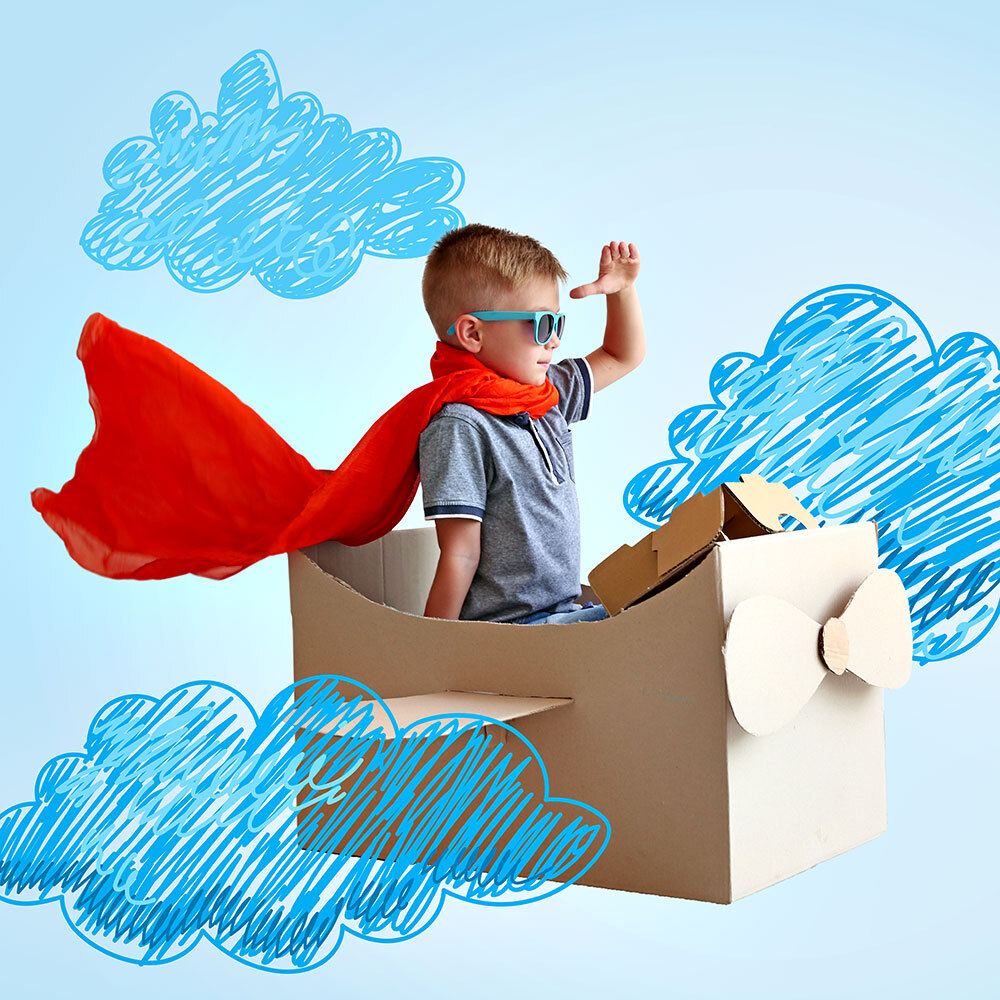
Summer brings a shift in the daily rhythm for young families. Long afternoons and unstructured hours stretch ahead, offering a unique window for growth. When the structured school year ends, children do not stop processing the world around them. Instead, they shift to a different style of learning that is deeply rooted in physical exploration and instinctive curiosity.
Choosing a summer path often feels like a choice between rigid academic prep and pure entertainment. However, behavioral science shows that the brain does not separate enjoyment from intellectual development. When children engage in self-directed play, they unlock a powerful, implicit learning mechanism. A cardboard box becomes a spaceship, and a muddy puddle turns into a physics experiment. This hands-on discovery builds cognitive flexibility, resilience, and problem-solving skills without the pressure of formal testing. It prepares them to become tomorrow’s leaders by teaching them how to think, rather than what to think.
The Mental Rewards of Open Ended Play
The value of play during the summer months is backed by substantial educational and psychological research. Experts emphasize that active exploration prevents the summer learning slide far more effectively than flashcards.
- Cognitive Flexibility: According to a 2023 study published in the Journal of Pediatrics, unstructured play directly supports executive functioning, which helps children plan, focus, and navigate social environments smoothly.
- Brain Structure Development: The American Academy of Pediatrics released an updated clinical report in 2024 confirming that joyful, discovery-based play fundamentally shapes brain architecture, creating stronger neural pathways for emotional regulation.
- Social and Emotional Growth: Research from the Harvard Center on the Developing Child in 2025 highlights that peer-to-peer play during extended breaks reduces stress levels and fosters deep empathy, allowing young minds to return to structured environments with higher confidence.
Keeping It Simple at Home
Supporting this development does not require a complex itinerary or expensive toys. Parents can create high-value learning environments by simply stepping back and letting curiosity take the lead.
Instead of organizing every hour, try leaving out a few versatile materials. A pile of old sheets, some plastic cups, or a bucket of water can keep a child engaged for hours. When children encounter a minor setback, like a collapsing blanket fort, they practice critical emotional regulation. They test new ideas, fail, adapt, and try again. This process builds a sense of personal agency and deep satisfaction that structured rewards can never replicate.
The goal of summer is not to fill every moment with structured achievement. It is about creating space for children to discover their own capabilities. By protecting this time for exploration, you are giving them the ultimate tool for a lifetime of confident learning.
To see how a thoughtful, play-based environment looks in action, you can schedule a tour to see the Sparkles! difference firsthand.
Frequently Asked Questions
What exactly is play-based learning and how does it work?
Play-based learning is an educational approach where children explore concepts through active, hands-on experience rather than passive instruction. Teachers design environments with specific developmental goals in mind, but the children choose how to interact with the materials, driving their own discovery.
How does unstructured summer play prevent learning loss?
Unstructured play keeps the brain active, analytical, and engaged. When children calculate distances while building, negotiate rules in a game, or practice vocabulary during imaginative play, they are reinforcing core math, literacy, and social skills naturally.
How can I tell if my child is actually learning during play?
Look for deep focus, experimentation, and repetition. If your child is testing different ways to balance blocks or narration stories while playing with figures, they are actively developing spatial awareness, hypothesis testing, and language structure.